
Tungsten Carbide Price Guide: 5 Factors That Determine What You Actually Pay
You reach out to three suppliers with the same specs. The quotes come back — and the prices are 40% apart.
This is one of the most common frustrations in tungsten carbide procurement. And it’s rarely a matter of one supplier being dishonest. The reality is that tungsten carbide pricing is driven by several legitimate variables that most buyers never get to see. Once you understand what those variables are, the numbers start to make a lot more sense — and you’ll be in a much stronger position when it’s time to negotiate.
Factor 1: Raw Material — The Tungsten Market Moves, and So Does Your Quote
Tungsten ore is the starting point for all tungsten carbide products, and it typically accounts for 60–70% of total production cost. That’s a significant portion, which means any movement in the raw material market flows directly into supplier pricing.
Tungsten supply is heavily concentrated. China accounts for roughly 80% of global production, according to the U.S. Geological Survey, which means export policies, mining quotas, and energy costs in that region have an outsized effect on global prices. When China tightens export controls or cuts production targets, prices downstream tend to climb quickly.
What this means for buyers: If you’re placing large or recurring orders, it’s worth tracking APT (ammonium paratungstate) spot prices as a reference. Locking in pricing during a softer market or negotiating price-adjustment clauses tied to raw material indexes — can save a meaningful amount over a full year.

Factor 2: Product Specifications — The Details Cost More Than You Think
Not all tungsten carbide is made to the same standard, and the spec sheet differences between grades translate directly into price differences.
Grain size. Finer grain sizes (submicron or ultrafine) require more precise milling and longer sintering cycles. They offer better wear resistance and edge retention, which is why they’re used in precision cutting tools. But that added performance comes at a higher manufacturing cost.
Cobalt (binder) content. Cobalt acts as the binding agent in most tungsten carbide grades. Higher cobalt content (e.g., YG15 vs. YG6) increases toughness but reduces hardness. The cost difference between grades isn’t massive on its own, but it compounds when combined with grain size requirements.
Common grades and their typical positioning:
| Grade | Cobalt Content | Common Use | Relative Price |
| YG6 | 6% | Precision tools, finishing | Higher |
| YG8 | 8% | General cutting, milling | Mid |
| YG15 | 15% | Mining, impact applications | Lower |
Over-specifying is a real cost driver. If your application doesn’t require submicron grain or low cobalt content, you’re paying for performance you won’t use. Work with your supplier to match the grade to actual working conditions, not just the highest available spec.
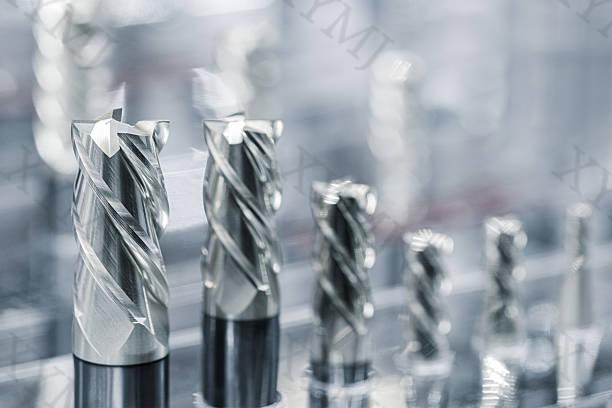
Factor 3: Manufacturing Process — Where the Real Quality Gap Happens
Two suppliers can start with the same raw material and end up with products that perform very differently. The reason usually comes down to sintering quality and process consistency.
Sintering — the high-temperature bonding process that turns pressed powder into a dense, hard part, it requires precise temperature control, atmosphere management, and timing. Small deviations lead to porosity, uneven hardness, or residual stress that shortens product life in the field.
Larger manufacturers with modern equipment and established quality systems tend to produce parts with tighter tolerances and more consistent batch-to-batch performance. Smaller operations may cut costs by running older furnaces or skipping intermediate quality checks — which is often why their prices are lower.
This is one area where the ISO 9001 certification on a supplier’s profile actually matters. It doesn’t guarantee perfect product, but it does indicate the presence of documented process controls.
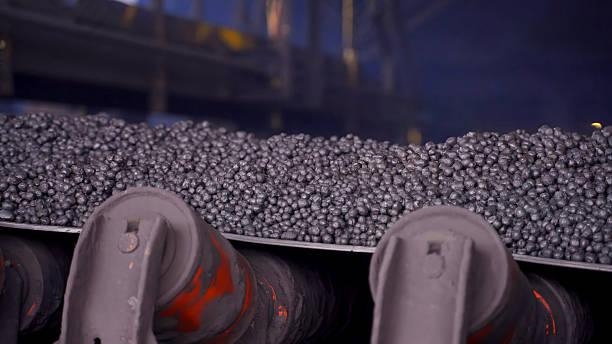
Factor 4: Product Form — You’re Not Always Buying the Same Thing
Tungsten carbide moves through several forms before it becomes a finished product, and each step adds value — and cost. The chain generally looks like this:
Tungsten powder → Tungsten carbide powder → Pressed blank → Sintered blank → Ground/finished part
Depending on where your company sits in the manufacturing process, you may not need the finished end of that chain. If you have in-house grinding capability, buying sintered blanks and finishing them yourself can reduce your per-unit cost by 10–20% compared to buying fully ground parts.
On the other hand, buying further upstream means taking on more process responsibility and quality risk. It’s a tradeoff worth calculating, not assuming.
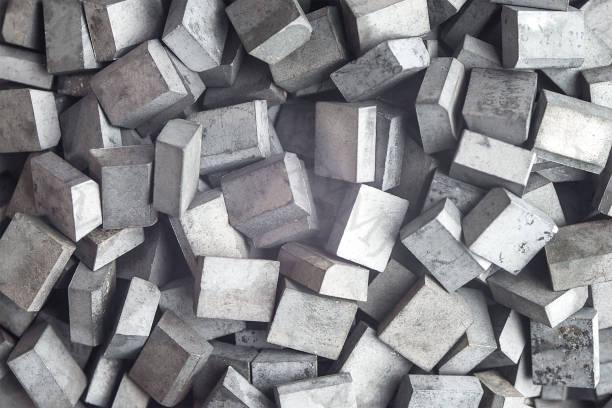
Factor 5: Supplier Type — Traders vs. Manufacturers, and When Each Makes Sense
The same product can carry a noticeably different price depending on whether you’re buying from a manufacturer directly or through a trading company. The markup for going through a trader is typically 15–25%, though it varies.
That said, traders exist for good reasons. They carry inventory across multiple grades and sizes, can fulfill mixed orders that manufacturers often won’t touch, and frequently offer better payment terms. For low-volume buyers or those needing fast turnaround on non-standard items, the premium can be worth it.
For high-volume buyers with stable, repeating specifications, the math usually favors direct manufacturer relationships — with the caveat that minimum order quantities and lead times need to be factored in.
The right supplier type depends on your order pattern, not just your budget.
- Large, predictable volumes → direct manufacturer.
- Small batches, varied specs, or urgent timelines → trader may actually be the lower-cost option when you factor in logistics and inventory carrying costs.
So How Do You Know If a Quote Is Fair?
A price that looks high might reflect finer grain size, tighter tolerances, or full traceability documentation. A price that looks low might be cutting corners on process control or offering a broader-tolerance product that won’t perform to spec in your application.
The goal isn’t to find the cheapest supplier, it’s to find the supplier whose price accurately reflects the quality your application actually requires.
If you’re comparing multiple quotes, make sure you’re comparing products at the same specification, same product form, and with the same documentation requirements. That’s the only way to make the numbers mean something.
XYMJ (Zigong Xingyu Cemented Carbide), a China-based manufacturer with over 25 years in the industry, works primarily with buyers in oil & gas, mining, and industrial wear applications across 60+ countries. They produce custom wear parts directly from 100% virgin raw materials — which means the pricing reflects actual production cost, not a trader’s markup.
If you’re at the stage of shortlisting manufacturers or want a second opinion on a quote you’ve received, it’s worth reaching out to us.
Common Questions on Tungsten Carbide Pricing
What’s the current price range for tungsten carbide products?
Pricing varies widely by product form and grade. As of now, tungsten carbide powder typically trades in the range of $30–55/kg depending on grade and quantity. Finished parts (rods, inserts, nozzles) can range from a few dollars to hundreds of dollars per piece. For current reference pricing, Fastmarkets and Metal Bulletin track tungsten market data.
Is tungsten carbide getting more or less expensive?
The long-term trend has been upward, driven by rising demand in mining, EV battery production equipment, and aerospace. Short-term fluctuations follow Chinese policy decisions and energy costs. Monitoring APT prices quarterly gives a reasonable baseline for planning.
Can I negotiate on small orders?
Yes, but the leverage is limited compared to volume buyers. The more effective approach for smaller buyers is to consolidate orders to hit MOQ thresholds and access better pricing tiers.
Related Products


