
Common Causes of Carbide Failure And How to Prevent Them
Tungsten carbide has a reputation for being nearly indestructible. It outperforms most metals in hardness, wear resistance, and durability which is exactly why it’s used in some of the most demanding industrial environments on the planet, from oil and gas wellheads to mining drill bits to precision cutting tools.
But carbide does fail. And when it does, the consequences go beyond a damaged part. Unplanned downtime, replacement costs, and production delays add up quickly. The frustrating part is that many carbide failures are preventable once you understand what actually caused them.
This article covers the most common causes of carbide failure, what each one looks like in practice, and what you can actually do to prevent it.
Table of Contents
1. Abrasive Wear: The Most Common Cause of Tungsten Carbide Failure
Abrasive wear is by far the most frequent reason carbide parts are replaced. It happens when hard particles, sand, rock, metal debris, or process media, continuously grind against the surface of the component. Over time, material is removed layer by layer until the part no longer holds its dimensional tolerance or functional geometry.
This type of failure is especially common in mining tools, carbide nozzles, valve seats, and pump components that handle abrasive slurries or solids. The wear itself is gradual, which means it can go unnoticed until performance has already dropped significantly.
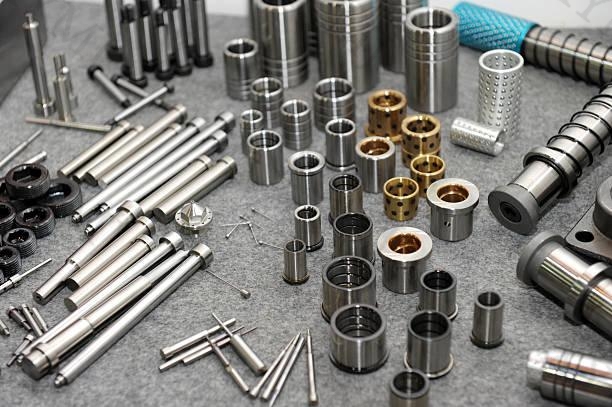
The best way to manage abrasive wear is through proper grade selection. Carbide grades with finer WC grain size and lower cobalt content generally offer better wear resistance but that comes at the cost of toughness. Matching the grade to the actual operating conditions is what makes the difference between a part that lasts months and one that lasts years.
2. Impact and Fracture: When Carbide Meets Sudden Force
Tungsten carbide is hard, but it is not ductile. Under sudden, high-impact loads, it can crack or fracture rather than deform, a behavior that surprises many engineers who assume hardness and toughness go hand in hand. They don’t.
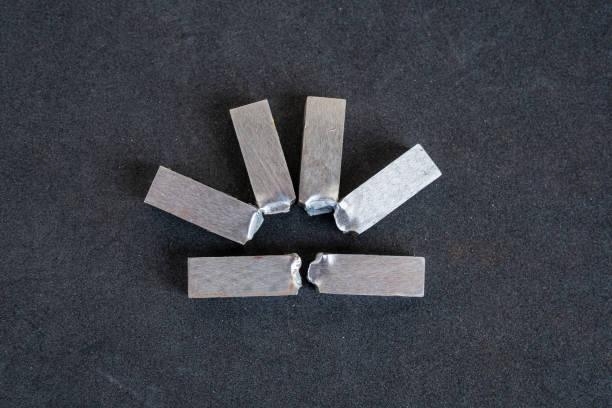
Impact fracture is most often seen in mining picks, drill bits, and stamping dies, applications where the component regularly absorbs shock loads. The failure usually shows up as chipping along edges, surface cracking, or in severe cases, complete breakage.
The solution involves both material selection and application design. Higher cobalt content increases toughness and gives the material more ability to absorb impact without cracking. Beyond grade, it’s also worth reviewing the mechanical setup: loose fits, misalignment, or excessive clearances can all amplify the stress a component experiences during operation.
3. Thermal Cracking: What Happens When Temperature Swings Are Too Extreme
Carbide handles high temperatures well under stable conditions. The problem arises when temperatures fluctuate rapidly, a situation common in interrupted cutting, intermittent coolant application, or components cycling between hot and cold environments.
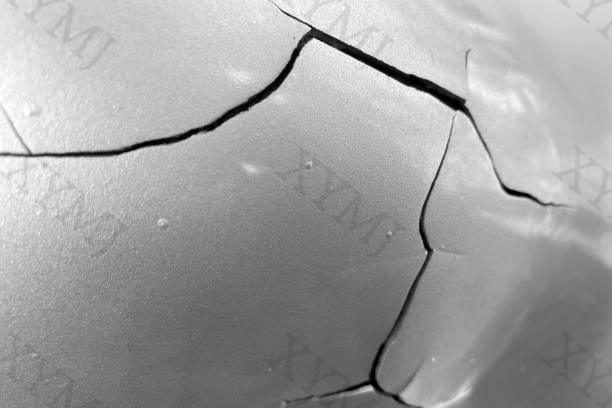
These rapid thermal cycles create stress within the material. Over repeated cycles, small cracks form on the surface, a phenomenon known as thermal fatigue or heat checking. Left unchecked, these surface cracks propagate deeper and eventually lead to spalling or fracture.
In cutting tool applications, one of the most common triggers is inconsistent coolant delivery. If coolant is applied intermittently rather than continuously, it creates repeated thermal shocks that degrade the tool faster than running dry would. Maintaining a consistent thermal environment — whether through steady coolant flow or by selecting grades with better thermal shock resistance — goes a long way in preventing this type of failure.
4. Corrosion and Chemical Attack: A Failure Mode That’s Easy to Miss
Standard tungsten carbide grades use cobalt as the binder, the metallic “glue” that holds WC particles together. Cobalt performs well mechanically, but it is vulnerable to certain chemicals, particularly acids, chlorides, and aggressive process fluids.
When the binder phase is attacked by corrosion, the structural integrity of the carbide deteriorates even if the WC particles themselves remain intact. The result is a part that appears undamaged on the surface but has lost significant strength internally, making it prone to sudden failure under load.
This failure mode is especially relevant in oil and gas production, chemical processing, and marine environments. For these applications, nickel or nickel-chromium binders are a more appropriate choice than standard cobalt grades. According to research published by the International Journal of Refractory Metals and Hard Materials, binder composition has a measurable effect on corrosion resistance in acidic and chloride-rich environments, a factor that is often underweighted during the procurement stage.
5. Wrong Grade Selection: The Root Cause Behind Many Carbide Failures
If there’s one cause of carbide failure that gets overlooked most consistently, it’s this one. Using the wrong carbide grade for a given application doesn’t always produce an immediate failure, it produces premature failure, which can be mistakenly attributed to overloading, contamination, or manufacturing defects.
Carbide grades vary in grain size, binder content, and additive composition. A grade optimized for cutting tool inserts behaves very differently from one designed for wear parts or corrosive environments. Using a fine-grain, low-cobalt grade in a high-impact application, for example, will almost certainly result in chipping or cracking not because the material is defective, but because it was never designed for that loading condition.
Working with a supplier who offers grade selection support rather than just a product catalog makes a significant difference here. XYMJ provides a Grade Selection guide that helps engineers identify the right material based on application type, operating environment, and performance requirements.
6. Improper Installation and Operating Conditions
Not every carbide failure originates with the material itself. A component that is correctly specified and manufactured can still fail early if it’s installed incorrectly or operated outside its design parameters.
Common installation issues include interference fit tolerances that are too tight or too loose, misalignment between mating components, and inadequate support structures that allow flexing under load. On the operational side, running a component beyond its rated pressure, speed, or temperature range puts it under stresses it was never designed to handle.
These failures are worth paying attention to because they’re often misdiagnosed. When a carbide part fails unexpectedly and the material checks out, the next step should always be a review of the installation and operating conditions before assuming a manufacturing defect.
How to Diagnose Carbide Failure Correctly
Understanding why a part failed requires looking at more than just the damaged component. A useful failure analysis starts with examining the fracture surface or wear pattern, the shape and location of damage often points clearly to the failure mechanism.
- Abrasive wear produces smooth, directional surface loss.
- Impact fracture produces sharp, angular break lines.
- Thermal cracking leaves a network of fine surface cracks.
- Corrosion shows pitting or binder washout.
Beyond the visual inspection, comparing the failed part’s dimensions against original specs, reviewing operating logs, and checking installation records all contribute to a clearer picture. Whenever possible, retain the failed component and share it with your supplier. An experienced manufacturer can often identify the cause quickly and recommend a more appropriate solution for the next run.
Choosing the Right Carbide Supplier Makes a Difference
The right carbide component starts with the right manufacturing partner. Material selection, dimensional precision, and quality control all affect how a part performs in service and how long it lasts before needing replacement.
XYMJ has been manufacturing custom tungsten carbide wear parts since 1999, supplying components to customers across the oil and gas, mining, machining, and industrial wear sectors in over 60 countries. With in-house grade selection support and the ability to produce parts to customer drawings, XYMJ works with engineering teams to identify the right solution before a problem develops.
If you’re dealing with premature carbide failure or planning a new application, contact XYMJ to discuss your requirements.
FAQs
What is the most common cause of carbide tool failure?
Abrasive wear is the most frequent cause, particularly in components exposed to hard particles or abrasive media over extended periods.
How do you prevent tungsten carbide from cracking?
Selecting a grade with higher cobalt content improves toughness and impact resistance. Reviewing installation conditions and avoiding sudden thermal shocks also reduces the risk of cracking.
What carbide grade is best for corrosive environments?
Grades with nickel or nickel-chromium binders perform better in acidic or chloride-rich environments compared to standard cobalt-bonded grades.
How long should tungsten carbide wear parts last?
Service life varies widely depending on the application, grade, and operating conditions. Properly specified carbide parts can last significantly longer than steel alternatives but premature failure is a sign that the grade or installation needs to be reviewed.