
Why Carbide Is the being called “Industrial Teeth”
By Industry Insight Desk
If you work in mining, construction, oil & gas, or precision machining, you have likely heard the phrase “industrial teeth” But what exactly does it mean — and why do engineers and operators speak of it with such respect?
In short: “Industrial teeth” is the nickname for cemented tungsten carbide (often simply called carbide). Just as human teeth are the hardest substance in the body, carbide is the hardest and most wear resistant material used in mass produced industrial tools.
Here is a breakdown of what industry experts think about these “teeth.”
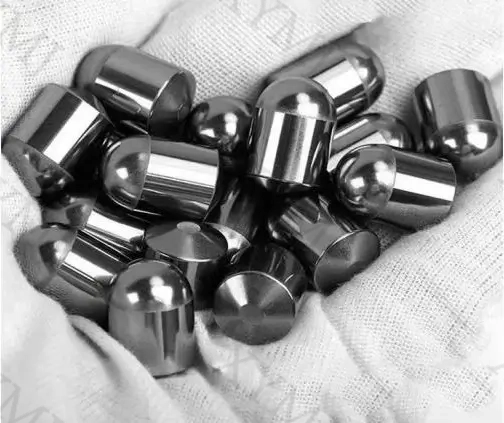
1. They Bite What Nothing Else Can
The core insight: carbide cuts, drills, and crushes materials that would destroy high speed steel instantly.
Hardness: Carbide typically ranges from 88–93 HRA (Rockwell A), far above tool steel.Compressive strength: Higher than most steels, allowing it to withstand extreme impact without crumbling.
2. The Design Philosophy: Small But Strategic
Industry veterans often point out a clever design principle: carbide is used only where it is needed.
Instead of making an entire tool from expensive, brittle carbide, manufacturers attach small carbide “teeth” to a tough steel body
3. They Are Everywhere — Even Where You Don’t Expect
Most people think of drill bits. But experienced users note that “industrial teeth” show up in surprising places:- Snowplow blades (carbide studs scraping ice off highways)
- Woodworking planers (carbide knives cutting abrasive MDF or particleboard)
- Recycling shredders (crushing car tires, circuit boards, and batteries)
- Oil drilling stabilizers (carbide buttons protecting the steel body from rock abrasion)