
How to Identify Tungsten Carbide Cutting Edges in Scissors (And Avoid Low-Quality Imitations)
The market is flooded with products that use vague language like “carbide-reinforced” or “carbide-coated,” which often means the actual carbide content is minimal—or nonexistent. For buyers who need scissors that can handle repeated cutting tasks or tough materials, this confusion leads to wasted money and disappointing performance.
This guide will show you how to identify genuine tungsten carbide cutting edges, understand what makes them different, and avoid the common traps that catch even experienced buyers.
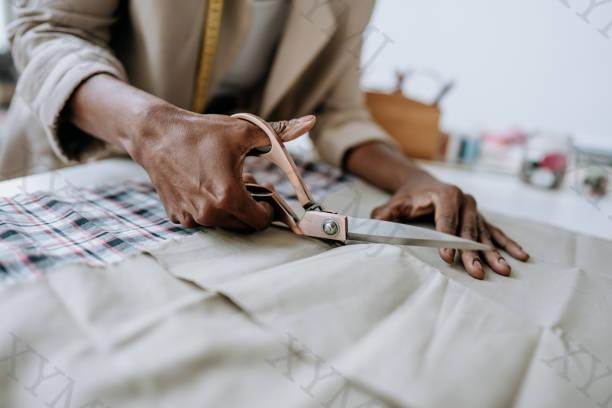
What Are Tungsten Carbide Cutting Edges?
Tungsten carbide cutting edges in scissors are not full blades made entirely of carbide. Instead, they typically consist of small carbide inserts or tips attached to a steel blade body. This design combines the hardness and wear resistance of carbide with the toughness and flexibility of steel.
There are two main configurations:
Brazed carbide edges – The carbide piece is permanently bonded to the steel blade using a high-temperature brazing process. This creates a strong metallurgical bond.
Insert edges – Carbide inserts are mechanically fastened or set into the blade structure. This allows for potential replacement but requires precise engineering.
Most carbide scissors use inserts rather than solid carbide blades. Solid carbide would be extremely expensive and unnecessarily brittle for most cutting applications.
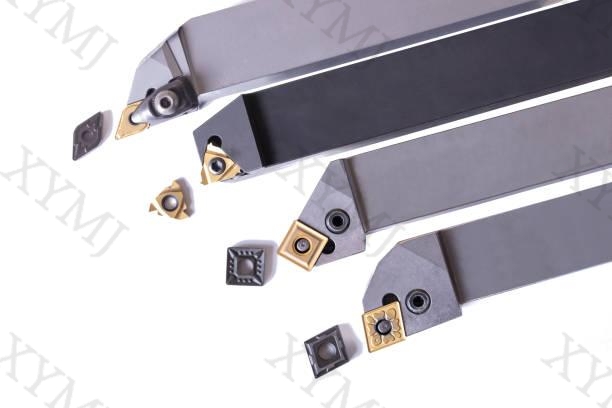
Why Scissors Use Tungsten Carbide Edges
The difference between carbide and steel becomes most apparent in demanding applications. A pair of steel scissors might handle light paper cutting indefinitely, but start cutting Kevlar, fiberglass, or thick cardboard all day, and the performance gap becomes obvious.
Tungsten carbide offers several advantages over standard stainless steel:
Superior wear resistance – Carbide maintains its edge through thousands of cuts that would dull steel blades. According to the International Tungsten Industry Association, tungsten carbide can be up to 10 times more wear-resistant than hardened steel.
Longer cutting life – In industrial settings, carbide-edged scissors can last months or years without needing replacement, compared to weeks for steel scissors doing the same work.
Better edge retention – The cutting edge stays sharp longer, which means more consistent cuts and less frequent maintenance.
Suitable for repetitive cutting – Industries like textiles, packaging, and manufacturing rely on carbide scissors for high-volume operations.
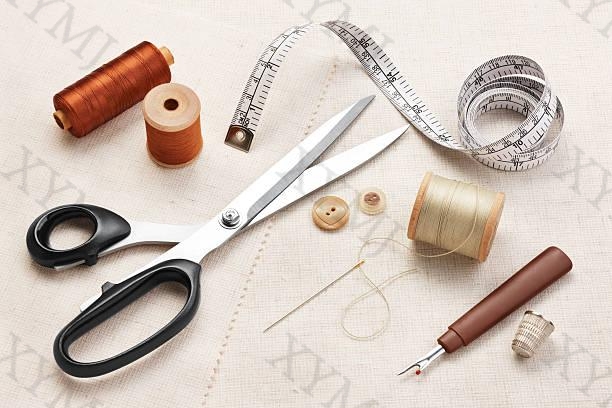
How to Identify Tungsten Carbide Cutting Edges in Scissors
Visual Inspection: Look for Inserted Edges
Genuine carbide edges appear as distinct sections attached to the main blade. Look for a visible joint line or seam where the carbide meets the steel body. This brazing seam often appears as a thin line of slightly different coloration—sometimes darker, sometimes with a subtle metallic sheen.
The carbide insert itself is typically small, covering just the cutting edge rather than the entire blade. In most scissors, this insert measures between 3-8mm in width along the cutting edge.
If you see a completely uniform blade with no visible joints or material transitions, you’re likely looking at a steel blade—possibly with a thin coating.
Check Edge Color and Surface Finish
Tungsten carbide has distinctive visual characteristics that differ from stainless steel.
Carbide edges often appear darker than the surrounding steel, with a matte grey or gunmetal appearance. The surface finish tends to be slightly rougher or more textured compared to the polished look of stainless steel.
However, surface treatments can complicate this. Some manufacturers polish carbide edges, while others coat steel blades to mimic carbide’s appearance. Use this as one indicator among several, not as definitive proof.

Examine the Blade Structure
Genuine carbide-edged scissors show a clear two-material design: a steel body providing structural support and flexibility, with carbide inserts at the cutting edge. The transition between these materials should be visible, even if subtle.
Pay attention to the blade thickness at the cutting edge. Carbide inserts add material, so you might notice a slight thickness increase at the edge compared to the rest of the blade.
Manufacturer Markings and Specifications
Check for specific labeling and documentation. Reputable manufacturers typically mark their carbide scissors with:
- “TC” or “Tungsten Carbide” stamps on the blade
- Material specifications in product documentation
- Grade information (such as “K20” or “C2” carbide grades)
However, markings alone are not always reliable. Some manufacturers use these terms loosely, while counterfeit products may copy legitimate markings. Always combine marking verification with other identification methods.
Performance Clues from Practical Use
Genuine carbide edges maintain sharpness through extended use. If you’ve been cutting abrasive materials—like fiberglass, cardboard, or synthetic fabrics—for weeks or months without noticeable dulling, that suggests real carbide.
Conversely, if “carbide” scissors need sharpening after just days of moderate use, you likely have coated steel or low-quality carbide.
One practical test: Try cutting materials that rapidly dull steel, such as sandpaper or very fine steel wool. Genuine carbide should handle these with minimal edge degradation. Never use this test on scissors you plan to keep in pristine condition, as it will cause some wear even to carbide.
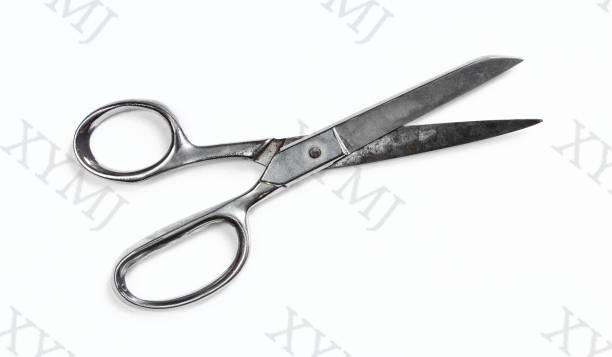
How to Avoid Fake or Low-Quality Carbide Cutting Edges
Carbide-Coated vs Real Carbide Inserts
This is the most common deception in the market.
Carbide coating involves depositing a thin layer of carbide or carbide-like material onto a steel blade. While this provides some improvement over bare steel, the coating typically measures just a few microns thick. It wears away quickly with use—often within days or weeks of regular cutting.
Real carbide inserts are solid pieces of tungsten carbide, typically 2-4mm thick. The difference in longevity is dramatic: a coated blade might offer 20-30% improvement over steel, while a genuine insert can last 10 times longer.
How to tell the difference: Carbide coatings usually cover larger blade areas uniformly, while inserts are smaller, localized sections with visible boundaries. If the entire blade appears to be “carbide,” it’s almost certainly coating.
Poor Bonding Between Carbide and Steel
Even genuine carbide inserts fail if improperly attached.
Weak brazing creates a joint that looks acceptable when new but fails under stress. Signs of poor bonding include:
- Visible gaps or inconsistencies in the brazing seam
- The carbide insert feeling loose or movable when pressed
- Carbide inserts that fall out after moderate use
Quality brazing requires precise temperature control and clean surfaces. Manufacturers cutting costs often compromise on brazing quality, resulting in inserts that detach prematurely.
Low-Quality Carbide Material
Not all tungsten carbide is created equal.
Carbide quality depends on several factors:
Carbide grade – Industrial carbide comes in dozens of grades, each optimized for different applications. Some manufacturers use grades intended for low-stress applications in scissors designed for demanding work.
Grain size – Finer grain carbide is generally harder and more wear-resistant, while coarser grain offers better toughness. Cheap carbide often uses inconsistent grain structure.
Binder content – Tungsten carbide uses cobalt as a binder to hold the carbide grains together. Lower cobalt content makes the material harder but more brittle. Higher cobalt improves toughness but reduces hardness. Optimal content for scissors is typically 6-10% cobalt, but cheap versions may use whatever’s available.
Density – High-quality carbide should be fully dense with minimal porosity. Porous carbide wears faster and can fracture more easily.
Testing carbide quality requires specialized equipment, which is why reputation and manufacturer specifications become critical decision factors.
Misleading Product Claims
Watch for language that suggests carbide without actually claiming it.
Terms to be skeptical of:
- “Carbide-like performance”
- “Reinforced edge” (reinforced with what?)
- “Industrial-grade steel” (still steel, not carbide)
- “Long-lasting edge” (compared to what?)
- “Professional quality” (vague and meaningless)
Legitimate carbide scissors explicitly state “tungsten carbide insert” or “TC edge” in their specifications. If the description dances around the actual material composition, that’s a warning sign.
Choosing Reliable Tungsten Carbide Components
Identifying genuine carbide is only the first step. Choosing reliable products requires additional considerations.
Manufacturer reputation – Companies with established track records in carbide manufacturing are more likely to deliver consistent quality. Look for manufacturers that serve industrial customers, not just consumer markets. XYMJ focuses on industrial-grade tungsten carbide components, typically emphasize strict material control, consistent sintering processes, and application-based grade selection. These factors play a critical role in ensuring long-term performance, especially in demanding cutting environments.
Specifications transparency – Detailed product specifications signal manufacturer confidence. If a company provides carbide grade, grain size, and binder composition, they’re likely selling genuine products.
Application matching – Consider what you actually need. Carbide scissors designed for industrial textile cutting use different grades than those meant for occasional household use. Using a tool outside its designed application leads to disappointment regardless of quality.
Price reality check – Quality carbide costs more than steel. If “carbide scissors” sell for barely more than standard scissors, question the claim. Genuine carbide scissors typically cost 3-5 times more than equivalent steel versions.
Warranty and support – Reputable manufacturers stand behind their products with meaningful warranties. A 30-day return period differs significantly from a multi-year performance guarantee.For custom or specialized cutting applications, working with manufacturers experienced in precision carbide component production ensures proper material selection and manufacturing quality. The difference between adequate and optimal performance often lies in these details—carbide grade selection, bonding method, edge geometry, and quality control processes that aren’t visible in the finished product.
Related Products


