
Is Tungsten Carbide Corrosion Resistant? Salt Water, Acid, and Chemical Performance Explained
Tungsten carbide shows up everywhere in industry — cutting tools, mining drill bits, wear-resistant nozzles, seal rings, and more. Given how demanding these environments can be, one question comes up repeatedly from engineers and procurement teams: how well does tungsten carbide actually hold up against moisture, salt, and chemicals?
The short answer is that tungsten carbide is highly corrosion-resistant, but not completely immune. And the details make a real difference when you’re selecting materials for a specific application.
Does Tungsten Carbide Rust?
Rust is a form of iron oxide — it forms when iron reacts with oxygen and water. Since tungsten carbide contains no iron, it does not rust in the traditional sense. You won’t see the red-brown surface deterioration you’d expect from carbon steel or cast iron.
What tungsten carbide does contain, however, is a metallic binder. Most grades use cobalt (Co) as the binder, though nickel (Ni) and nickel-chromium (NiCr) are common alternatives in corrosion-sensitive applications. The tungsten carbide grains themselves are chemically very stable. The binder phase is where things get more complicated.
In aggressive environments particularly acidic or chloride-rich ones — the binder can dissolve gradually. When that happens, the carbide grains lose their support and can begin to dislodge, even if the surface looks unchanged at first. So while tungsten carbide won’t rust, it can degrade over time under the right conditions. The distinction matters when you’re making material selections that need to last years, not months.
Learn More About Truth About Tungsten Carbide Rust

Is Tungsten Carbide Waterproof?
For most practical purposes, yes. Tungsten carbide handles plain water, ambient humidity, and mild aqueous environments without meaningful degradation. This is one of the reasons it’s a go-to material for components that need long service life with minimal maintenance — coolant systems, hydraulic seals, and fluid-handling parts, among others.
That said, waterproof does not mean chemically inert. Prolonged exposure to water that contains dissolved salts, chlorine, or acidic compounds creates a more demanding environment than pure water. The binder phase, especially cobalt, becomes more vulnerable under those conditions. Over time, repeated exposure can lead to gradual surface changes that affect performance even before visible damage appears.
Grade selection plays a role here. Cobalt-bonded grades are more susceptible to water-based corrosion than nickel-bonded alternatives. If your components operate continuously in wet conditions rather than intermittently, it’s worth specifying a grade matched to that environment rather than defaulting to the most common option.
How Does Tungsten Carbide Perform in Salt Water?
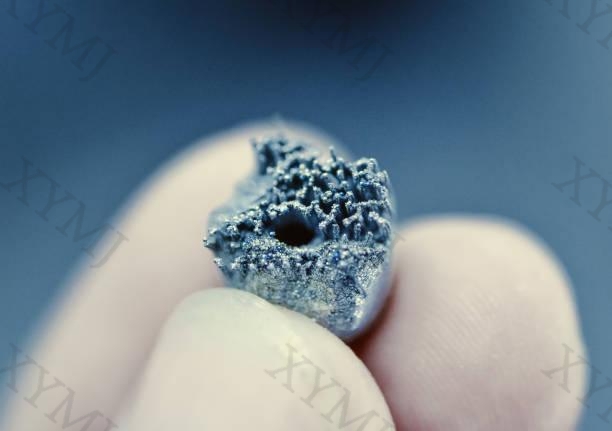
Salt water is considerably more aggressive than fresh water. The chloride ions present in seawater and brine are particularly reactive with metallic binders, especially cobalt. This is a well-documented issue in offshore and marine industrial settings — subsea drilling components, pump parts, and equipment handling saline process fluids.
In these environments, cobalt-bonded tungsten carbide can experience what’s known as binder leaching: the cobalt gradually dissolves, leaving the carbide grains less supported. The process doesn’t cause sudden failure, but it does reduce hardness and wear resistance incrementally. Over a long operating cycle, that translates to earlier-than-expected component replacement.
For applications with continuous or high-frequency saltwater exposure, nickel or nickel-chromium bonded grades offer significantly better performance. Research published in the International Journal of Refractory Metals and Hard Materials consistently points to binder composition as one of the primary variables controlling corrosion behavior in aqueous environments. The carbide grains matter, but the binder is often the deciding factor.
Tungsten Carbide vs Acids – What You Need to Know
Acid resistance is where tungsten carbide’s limitations become most apparent — and where grade selection has the largest impact on performance.
The material’s response to acids depends on the type of acid, its concentration, temperature, and the binder in use. Here’s a practical overview:
Hydrochloric acid (HCl): Cobalt-bonded grades perform poorly, even at dilute concentrations. Nickel-bonded grades offer much better resistance in dilute HCl environments.
Nitric acid (HNO₃): Both cobalt and nickel grades show vulnerability at higher concentrations. Nickel-chromium grades perform best here.
Hydrofluoric acid (HF): Aggressive toward all grades without exception. Tungsten carbide is not suitable for direct HF contact regardless of binder.
Sulfuric acid (H₂SO₄): Dilute concentrations are manageable with nickel-bonded grades. Concentrated sulfuric acid causes significant damage across most grades.
Phosphoric acid (H₃PO₄): Generally better tolerated than the acids above, particularly with nickel or nickel-chromium binders.
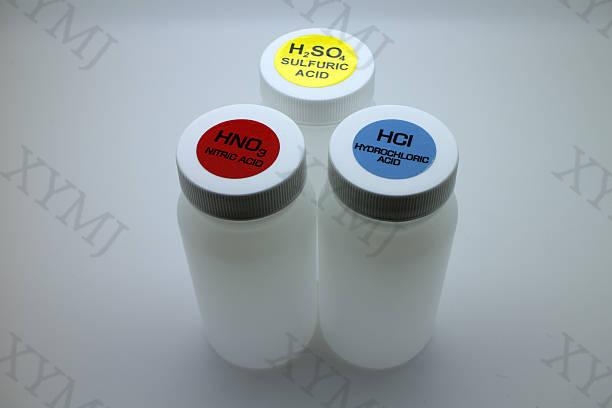
The consistent pattern here is that the binder determines chemical resistance more than the carbide grains themselves. Specifying the right binder at the design stage — rather than treating it as a secondary consideration — prevents a lot of premature failures. ASM International maintains detailed chemical resistance data for cemented carbides that can support material selection decisions.
Tungsten Carbide vs Stainless Steel: Corrosion Comparison
Both tungsten carbide and stainless steel appear in industrial environments where corrosion resistance matters, so the comparison is a reasonable one to work through.
Stainless steel gets its corrosion resistance from a passive chromium oxide layer that forms naturally on the surface. This layer is self-repairing in many environments — if scratched, it can reform when exposed to oxygen. That gives stainless steel broad, consistent resistance across a wide range of conditions, including acids, salt water, and general humidity.
Tungsten carbide works differently. It doesn’t rely on a passive surface layer. Its resistance comes from the inherent chemical stability of the carbide grains and the properties of the binder. In terms of hardness and wear resistance, tungsten carbide is in a different category entirely — hardness values of 1,400–1,800 HV compared to roughly 200 HV for 316 stainless steel.
Where the comparison shifts is in chemical environments. Certain stainless grades — particularly 316L and duplex grades — can outperform cobalt-bonded tungsten carbide when the operating environment involves continuous acid exposure or chloride-rich solutions without significant mechanical stress. The passive layer on stainless provides reliable protection in scenarios where the binder in a carbide grade would gradually degrade.
In practice, many industrial systems use both materials in different roles — tungsten carbide where abrasion and wear are the primary concern, stainless steel where chemical resistance is the priority and mechanical loads are lower.
FAQ
Does tungsten carbide corrode?
It can, but not easily. The tungsten carbide grains are chemically stable across most common industrial environments. The more vulnerable element is the metallic binder — cobalt in standard grades, nickel or nickel-chromium in corrosion-resistant grades. In acidic or chloride-rich conditions, the binder can degrade over time, affecting structural integrity even before visible surface damage appears. Matching the binder to the environment is the most effective way to control this.
Is tungsten carbide acid resistant?
Yes and no, depending on which acid and which grade. Tungsten carbide handles mild acids reasonably well and performs adequately in many process environments. Strong acids — particularly hydrofluoric acid, concentrated nitric acid, and concentrated sulfuric acid — can cause significant damage. For applications involving acid exposure, nickel or nickel-chromium bonded grades offer better resistance than standard cobalt grades, and specifying the grade based on the actual chemical environment is essential.
Can I wear a tungsten ring in the ocean?
For occasional exposure — swimming or snorkeling on a trip — tungsten carbide rings hold up fine. The surface won’t rust, and brief saltwater contact won’t cause visible damage. For very frequent or prolonged saltwater immersion over years, there’s a slow risk of surface changes due to binder interaction with chlorides. Rinsing with fresh water after ocean exposure is a straightforward habit that keeps the surface in good condition long-term.
Related Products


